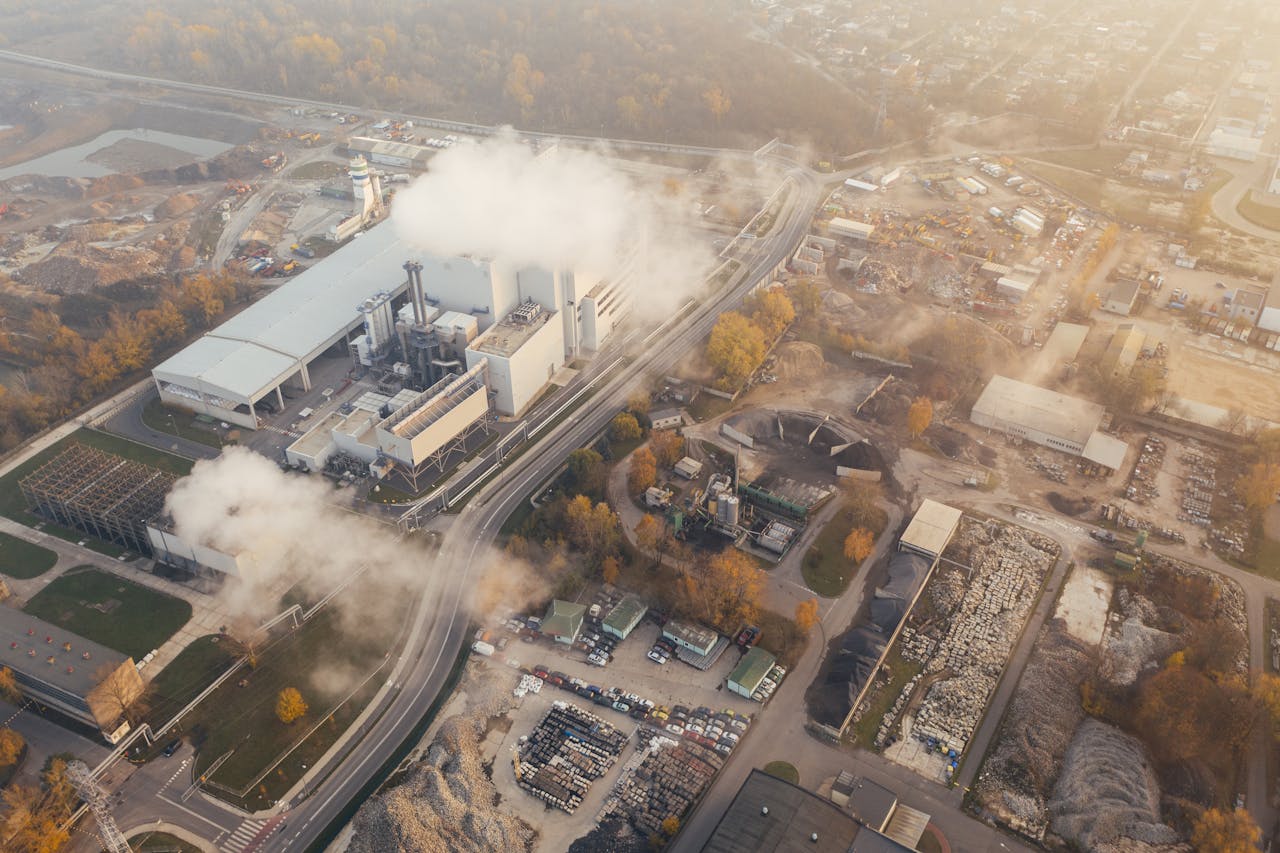
Zepco’s Flue Gas Duct Expansion Joints: Ensuring Industrial Efficiency and Longevity

In the gritty, high-heat, high-pressure world of industrial operations—think power plants, refineries, and chemical processing facilities—there’s an unsung hero that holds it all together: flue gas duct expansion joints. At first glance, they may look like just another flexible connector, but in reality, these components are foundational to keeping entire ducting systems running smoothly, efficiently, and within regulatory limits. And when you’re talking about long-term system performance, minimal downtime, and durability in extreme conditions, you’re talking about Zepco.

Let’s break down how Zepco’s flue gas duct expansion joints are not only built for performance, but purposefully engineered to meet the evolving demands of modern industrial environments.

The Hidden Hero in Industrial Ductwork

Industrial ducting systems—especially those handling hot flue gases—are constantly under stress. Heat causes expansion. Pressure causes movement. Vibration from rotating machinery shakes everything. And over time, without the right compensatory mechanisms in place, all that movement leads to cracks, misalignment, and costly shutdowns. That’s where flue gas duct expansion joints come in. They’re designed to absorb thermal growth, reduce vibration, and accommodate movement, keeping the system aligned and sealed under duress.

Zepco has long understood that while these joints might not be the most visible component, they’re critical to a facility’s uptime, energy efficiency, and compliance status.

What Are Flue Gas Duct Expansion Joints, Exactly?

At their core, flue gas duct expansion joints are flexible connectors installed in ducting systems to manage thermal expansion, absorb vibration, and relieve stress on mechanical components. They’re typically found around HRSGs (Heat Recovery Steam Generators), scrubbers, and stacks—any point in the ducting system that’s exposed to high heat, pressure shifts, or movement.

What sets Zepco apart is the materials of construction. Whether it’s PTFE for chemical resistance, elastomers for flexibility, stainless steel for pressure resilience, or high-temperature composite fabrics for extreme heat, Zepco matches the material science to your operational demands.

The Challenges of Flue Gas Systems—and Zepco’s Solutions

Managing high temperatures and high pressures is no small feat. Add in corrosive gases, particulate abrasion, and continuous vibration from turbines or blowers, and you’ve got a perfect storm of conditions that destroy most components over time. But Zepco’s flue gas duct expansion joints are purpose-built for this.

They’re designed to:

  • Withstand intense thermal expansion without deformation
  • Absorb multi-directional vibration to prevent stress cracking
  • Resist corrosion from acidic or moisture-laden gases
  • Reduce leakage risks to protect downstream components

These joints aren’t generic, off-the-shelf items. Each one is engineered for your environment, your specs, and your performance goals.

Engineered Precision: Zepco’s Customization & Expertise

One of Zepco’s biggest flexes is its engineering process. Using advanced CAD modeling, Finite Element Analysis (FEA), and in-house fabrication capabilities, Zepco delivers flue gas duct expansion joints that are laser-tailored to your system.

From axial to lateral to angular movement requirements, Zepco considers every variable. Their engineering team doesn’t just ship a product—they solve a system-wide problem. The result? Expansion joints that don’t just fit—they perform.

Where They Work: Real-World Applications in High-Stakes Industries

Zepco’s expansion joints are deployed in some of the most demanding sectors:

  • Power generation facilities rely on them to maintain uptime across boilers and flue ducts.
  • Refineries trust them to absorb shocks and prevent leaks in emission-heavy environments.
  • Process plants use them to improve flow efficiency and reduce stress on aging duct systems.

In every case, the goal is the same: extend system life, reduce downtime, and protect critical infrastructure.

Built for the Long Haul—and Compliance

Zepco understands the importance of meeting regulatory standards while maintaining durability. Their flue gas duct expansion joints are not only engineered for long-term wear, but also designed for chemical resistance, abrasion resistance, and ease of installation.

These features aren’t just nice to have—they’re mission-critical. Especially when you’re trying to reduce maintenance windows, minimize labor costs, and stay ahead of inspections.

Why Choose Zepco?

Zepco brings more than 40 years of hands-on industry experience. Their U.S.-based manufacturing means fast lead times, superior quality control, and responsive customer service when every hour of downtime matters. From emergency turnarounds to long-range planning, Zepco is the partner industrial teams trust when performance is non-negotiable.

And when it comes to flue gas duct expansion joints, no one brings the same level of customization, reliability, and technical mastery.

Keep Your System Running at Peak Efficiency

If your ducting system is showing signs of strain—or if you’re planning a major equipment upgrade—don’t wait for a failure. Reach out to Zepco today for a system evaluation, a custom quote, or to download detailed specs for our flue gas duct expansion joints. Whether it’s a proactive installation or a critical emergency, Zepco is ready to deliver.

Your system’s performance starts with the right expansion joint. Choose Zepco—engineered to last, built to perform.


Integrating Duct Expansion Joints with Building Management Systems: Smart Monitoring for Critical Infrastructure

For decades, the duct expansion joint has been a silent workhorse in HVAC and industrial ventilation systems—accommodating thermal expansion, reducing vibration, and maintaining duct integrity. 

But what if these traditionally passive components could provide real-time performance insights? With advancements in the Industrial Internet of Things (IIoT) and smart building management systems (BMS), duct expansion joints are becoming intelligent, connected elements that enhance system efficiency, longevity, and reliability.

The Role of Sensors in Duct Expansion Joint Monitoring

Smart monitoring starts with the right sensor technology. By embedding sensors into duct expansion joint assemblies, facility managers gain access to continuous performance data, transforming maintenance strategies from reactive to predictive. Key sensor technologies include:

  • Movement and Position Tracking: Measures axial, lateral, and angular displacement in response to thermal and mechanical loads.
  • Temperature and Thermal Gradient Monitoring: Detects excessive heat buildup or temperature differentials that can indicate stress or material fatigue.
  • Vibration and Acoustic Sensors: Identify structural instability, excessive vibration, or developing failures before they cause system-wide disruptions.
  • Environmental Condition Sensors: Monitor humidity, pressure fluctuations, and corrosive gas exposure that may degrade joint materials.
  • Wireless vs. Wired Implementation: Wireless sensors offer flexible deployment but require robust cybersecurity and power solutions.

By integrating these technologies, Zepco’s duct expansion joint solutions enable data-driven maintenance and enhanced HVAC reliability.

Turning Data into Action: Integration with BMS

The real power of smart duct expansion joint monitoring lies in seamless integration with BMS platforms. Data flows through sensor networks to gateways that process and transmit critical insights. These integrations typically include:

  • Gateway and Communication Protocols: Bluetooth, LoRaWAN, or Zigbee facilitate real-time data transfer.
  • Cloud vs. Edge Processing: Edge computing enables on-site analytics for immediate alerts, while cloud platforms provide deeper historical trend analysis.
  • Anomaly Detection & Predictive Analytics: AI-driven models detect deviations from baseline performance and anticipate failures before they occur.
  • Automated Maintenance Scheduling: Reduces downtime by prioritizing interventions based on real-world performance data.
  • System-Wide Performance Correlation: Smart duct expansion joint monitoring identifies inefficiencies across interconnected HVAC components.

For facility managers, this level of integration means fewer emergency repairs, improved system efficiency, and extended component lifespan.

Overcoming Implementation Challenges

While the benefits of smart duct expansion joint technology are clear, practical implementation presents challenges. Retrofitting existing systems requires strategic planning, including:

  • Power Supply Solutions: Battery-powered sensors must balance longevity with performance, while wired solutions require thoughtful routing.
  • Harsh Environment Protection: Sensor enclosures must withstand extreme temperatures, moisture, and airborne contaminants.
  • Legacy System Compatibility: Many existing BMS platforms require middleware solutions to integrate with modern sensor data.
  • IT/OT Convergence: Bridging the gap between operational technology (HVAC systems) and information technology (data analytics) is crucial for seamless implementation.

Zepco is pioneering solutions that address these challenges, ensuring reliable, future-ready duct expansion joint monitoring.

Cost-Benefit Analysis: Is the Investment Worth It?

Upgrading to smart duct expansion joint monitoring requires an initial investment, but the long-term ROI is compelling:

  • Reduction in Maintenance Costs: Predictive maintenance minimizes unnecessary service calls and emergency repairs.
  • Avoidance of Costly Downtime: Early failure detection prevents catastrophic failures that disrupt operations.
  • Energy Efficiency Gains: Optimized system performance leads to lower energy consumption.
  • Extended Component Lifespan: Data-driven insights help preserve the integrity of duct expansion joint materials, reducing premature replacements.

For critical infrastructure like data centers, hospitals, and high-security facilities, the cost of failure far outweighs the price of implementation.

The Future of Intelligent Duct Systems

The evolution of duct expansion joint technology is just beginning. As IIoT adoption grows, these components will integrate more deeply with AI-driven building automation. Future developments include:

  • Self-Diagnosing Expansion Joints: AI-enhanced sensors that adjust in real-time to dynamic loads.
  • Standardization of Smart Duct Monitoring: Industry-wide protocols for seamless integration with BMS.
  • Expansion of Predictive Maintenance Models: Machine learning algorithms that refine failure predictions with increasing accuracy.

Zepco is at the forefront of this transformation, ensuring that businesses have the smartest, most reliable duct expansion joint solutions available. The future is managing infrastructure and optimizing it in real time for maximum efficiency and longevity.


Flue Duct Expansion Joints: Critical Components for Emissions Control System Longevity

The battle for cleaner air doesn’t just happen at the policy level—it happens deep within industrial plants, where emissions control systems work tirelessly to minimize environmental impact. At the core of this effort are flue duct expansion joints, the unsung heroes that ensure emissions containment, system flexibility, and long-term operational reliability.

Zepco has spent decades engineering flue duct expansion joints designed for extreme temperatures, corrosive environments, and stringent regulatory requirements. Without the right expansion joints in place, even the most advanced emissions control systems risk leakage, inefficiency, and compliance violations.

Why Flue Duct Expansion Joints Are Non-Negotiable for Emissions Control

Modern flue duct systems are more than just conduits for exhaust gases—they are critical infrastructure in power plants, refineries, and industrial facilities. The role of flue duct expansion joints is simple yet essential: absorb thermal expansion, reduce stress on ductwork, and prevent leaks that could release harmful emissions into the atmosphere.

Without these flexible components, flue systems would crack under extreme heat fluctuations, corrosive gas exposure, and mechanical stress. A single failure in an emissions control system could mean regulatory fines, downtime, or worse—environmental damage and health hazards.

The Compliance Challenge: Keeping Up with Evolving Emissions Regulations

Regulatory bodies like the EPA and state environmental agencies enforce strict emissions standards. For plant operators, this means airtight flue gas containment is mandatory, not optional. Flue duct expansion joints play a key role in:

When properly engineered and maintained, these joints help industrial facilities stay compliant while avoiding costly system failures.

Built for Extremes: How Zepco’s Expansion Joints Withstand Harsh Flue Conditions

Flue gas environments are punishing. Between thermal cycling, chemical exposure, and fluctuating pressures, ductwork components must withstand constant assault. Zepco designs flue duct expansion joints to endure:

  • Extreme Heat – Flue gases can exceed 1,200°F, requiring high-temperature materials like reinforced fabrics and metal bellows.
  • Corrosive Compounds – Acidic condensates, sulfur, and particulate matter accelerate material degradation.
  • Vibrations & Pressure Shifts – Industrial stacks and power plant flue ducts experience continuous movement, making flexibility a necessity.

Material Matters: Choosing the Right Expansion Joint for Your Flue System

Not all expansion joints are created equal. The right choice depends on temperature, pressure, and chemical exposure. Zepco provides a range of solutions:

  • Metal Bellows Expansion Joints – Ideal for high-pressure and high-temperature applications, offering durability and flexibility.
  • Fabric Expansion Joints – Lightweight and customizable, designed for thermal expansion and vibration absorption.
  • PTFE & Fluoropolymer Joints – Corrosion-resistant and perfect for handling aggressive chemical environments.
  • Multi-Layered Composites – Engineered for extreme conditions, combining thermal insulation, strength, and gas-tight sealing.

Best Practices: Installation & Maintenance to Maximize Longevity

Even the most advanced flue duct expansion joints won’t perform if improperly installed or neglected. Zepco recommends:

  • Precision Alignment – Poorly installed joints can lead to premature failure and leaks.
  • Regular Inspections – Checking for wear, cracks, and seal degradation ensures continuous performance.
  • Proactive Maintenance – Scheduled replacements and proper insulation integration extend joint lifespan and prevent costly downtime.

The Future of Flue Duct Expansion Joints: Smarter, Stronger, More Efficient

As industrial emissions standards tighten, flue system technology is evolving. Zepco is at the forefront of next-gen flue duct expansion joints, incorporating:

Why Investing in High-Quality Expansion Joints Pays Off

Flue duct integrity is not just about compliance—it’s about long-term reliability, cost savings, and environmental responsibility. By choosing Zepco’s flue duct expansion joints, industrial operators can expect:

  • A longer-lasting, leak-free emissions control system
  • Reduced maintenance and repair expenses
  • Compliance peace of mind in an increasingly regulated world

Protecting the environment starts with protecting your emissions system. Zepco delivers the expertise, technology, and engineering to keep your flue duct infrastructure running strong for years to come.


Duct Expansion Joints for Temperature Management

In today’s demanding industrial landscape, duct expansion joints have become increasingly crucial for effective temperature management.

These sophisticated components are no longer just simple connectors – they’re engineering marvels that tackle complex thermal challenges head-on.

Modern industrial facilities face unprecedented temperature fluctuations, making traditional solutions inadequate for current demands.

Revolutionary Design Approaches

The latest generation of duct expansion joints incorporates cutting-edge design elements that set new standards in thermal management.

Engineers have developed multi-layer fabric compositions that provide superior flexibility while maintaining structural integrity under extreme conditions.

Advanced computer modeling now enables precise customization of expansion joint designs, accounting for specific thermal loads, pressure requirements, and movement patterns.

Material Innovation Breakthroughs

Today’s duct expansion joints utilize revolutionary materials that outperform their predecessors in every aspect.

High-temperature-resistant fabrics, combined with specialized coatings, now offer extended service life even in the most demanding environments.

Composite materials with enhanced thermal properties allow for greater movement capability while reducing stress on connected equipment.

These innovations have led to the development of self-adjusting joints that automatically compensate for thermal expansion and contraction.

Real-World Success Stories

A major power generation facility recently upgraded its exhaust system with advanced duct expansion joints, which reduced maintenance requirements by 40%.

Chemical processing plants have reported significant improvements in system reliability after implementing new-generation expansion joints designed for corrosive environments.

The mining sector has particularly benefited from robust designs that withstand both extreme temperatures and abrasive conditions.

Installation and Maintenance Advances

Modern duct expansion joints feature simplified installation procedures that reduce downtime and installation costs.

Smart monitoring systems integrated into newer designs provide real-time performance data, enabling predictive maintenance.

Specialized coating technologies have extended service intervals, making these components more cost-effective over their operational lifetime.

Environmental Impact and Sustainability

Contemporary duct expansion joints contribute to environmental sustainability through improved energy efficiency and reduced thermal losses.

New designs minimize leakage and maintain better system integrity, resulting in lower energy consumption and reduced carbon footprint.

These improvements align with increasingly stringent environmental regulations while delivering superior performance.

Future Perspectives

The industry continues to push boundaries with research into innovative materials that can adapt to changing conditions automatically.

Integration of IoT sensors with duct expansion joints promises to revolutionize maintenance practices through predictive analytics.

Ongoing developments in material science suggest even more dramatic improvements in thermal management capabilities.

Implementation Considerations

Successful implementation requires careful analysis of specific application requirements and environmental conditions.

Professional installation and regular maintenance by qualified technicians ensure optimal performance and longevity.

Proper sizing and selection of duct expansion joints remain critical factors in achieving desired thermal management goals.

Experience the Next Generation of Thermal Solutions

Ready to elevate your facility’s thermal management capabilities? Zepco’s expert team specializes in cutting-edge duct expansion joints engineered to meet your specific needs.

Contact our technical specialists today to discuss how our advanced solutions can optimize your industrial processes and reduce operational costs.

Let’s collaborate to design the perfect thermal management solution for your facility when it comes to duct expansion joints, precision, and expertise.


Protecting Ductwork Expansion Joints in Extreme Weather

Industrial facilities rely heavily on adequately functioning ductwork expansion joints to maintain optimal HVAC system performance throughout varying weather conditions.

These crucial components accommodate thermal movement and prevent system damage, making their maintenance essential for operational efficiency.

Understanding Weather Impact on Ductwork Systems

Extreme temperature fluctuations can significantly affect ductwork expansion joints, causing material stress and potential system failures.

During summer months, high temperatures cause metal ducts to expand, while winter conditions lead to contraction, putting additional strain on these vital components.

Seasonal Maintenance Requirements

Proper maintenance of ductwork expansion joints is crucial for their longevity and reliable performance throughout seasonal changes. Each season brings unique challenges that can impact the functionality and lifespan of these components. 

Below are detailed seasonal maintenance considerations to ensure optimal performance:

Spring Preparation:

  • Inspect joints for wear and ensure proper flexibility before the summer heat.
  • Clean and lubricate moving parts to prevent damage from friction.
  • Check alignment to avoid uneven stress.

Summer Management:

Fall Preparation:

  • Inspect for summer-related wear and repair as needed.
  • Prepare joints for contraction forces by cleaning and lubricating.
  • Check support structures for stability.

Winter Maintenance:

  • Monitor for strain or cracking from low temperatures.
  • Use insulation to prevent brittleness in materials.
  • Conduct regular checks to ensure efficient system performance

Adhering to these seasonal maintenance practices can prolong the life of ductwork expansion joints and ensure they perform optimally year-round, reducing the risk of costly repairs or system downtime.

Winter Protection Strategies

During winter, ductwork expansion joints face unique challenges from freezing temperatures and thermal stress. Implementing effective protection strategies is essential to ensure their durability and functionality.

By addressing these winter-specific risks, you can ensure reliable operation and minimize damage during the cold season.

Preventative Maintenance Solutions

Proactive maintenance is the key to maximizing the lifespan of ductwork expansion joints and ensuring year-round efficiency. A well-thought-out maintenance plan can prevent unexpected failures and costly repairs.

  • Scheduled Inspections: Climate-specific inspection schedules help identify issues early and enhance joint longevity.
  • Document Movement Ranges: Recording movement patterns provide insights into wear trends and potential failure points.
  • Calibrate Indicators: Regular calibration of movement indicators ensures accurate system monitoring and smooth seasonal transitions.

Consistent preventative maintenance extends the life of expansion joints and ensures the entire system operates at peak efficiency.

Getting Professional Assistance

Contact Zepco’s certified technicians for specialized ductwork expansion joints maintenance programs tailored to your facility’s specific needs.

Our team provides expert installation, repair, and maintenance services to ensure optimal performance in all weather conditions.

Remember, proper maintenance of ductwork expansion joints is crucial for system longevity and efficient operation throughout the year.

Call us today at +1-864-428-8243!


Flue Duct Dynamics: Strategies for Effective Pollution Control

In today’s industrial landscape, effective pollution control isn’t just a priority—it’s a necessity. 

From energy plants to manufacturing facilities, industries are held to strict environmental standards that demand high levels of efficiency in pollution management. 

At the heart of these systems are flue duct expansion joints, which play a crucial role in maintaining air quality and supporting operational efficiency. 

Zepco leads the charge in providing high-performance flue duct expansion joints that are engineered to meet and exceed modern pollution control needs.

How Flue Duct Expansion Joints Enhance Pollution Control

Flue ducts are essential pathways that transport gases and air between industrial equipment. 

As air is funneled through these systems, flue duct expansion joints absorb movements, vibrations, and temperature fluctuations that would otherwise compromise the system’s integrity. 

These joints are designed to handle everything from thermal expansion to mechanical stresses, ensuring that pollution control systems remain airtight and operational.

The Role of Flue Duct Expansion Joints in Reducing Emissions

The key to effective pollution control lies in a system’s ability to contain and manage harmful gasses before they’re released into the atmosphere. 

Flue duct expansion joints from Zepco are built to do just that. 

By sealing the flue duct system, these joints prevent leaks that could allow pollutants to escape, while maintaining the flow of air and gasses for optimal filtering.

For industries dealing with hazardous materials, ensuring that emissions are properly filtered and controlled is critical. 

With flue duct expansion joints designed for precision and resilience, Zepco provides a first line of defense in reducing industrial emissions and protecting the environment.

Latest Innovations in Flue Duct Expansion Joints

Zepco continuously pushes the envelope when it comes to the materials and configurations used in flue duct expansion joints

The latest innovations incorporate cutting-edge materials that are not only heat-resistant but also chemically resistant, ensuring they can withstand the harsh environments often found in industrial pollution control systems.

Advanced Materials for Superior Performance

Zepco’s flue duct expansion joints feature materials like PTFE, fluoroelastomers, and specialty alloys that offer unparalleled durability in high-temperature, high-stress environments. 

These materials are designed to last, reducing the need for frequent replacements or repairs. 

With heat resistance reaching upwards of 1200°F, Zepco’s expansion joints can handle even the most demanding industrial conditions.

Custom Configurations for Every Application

No two facilities are alike, and neither are their pollution control needs. 

Zepco offers custom flue duct expansion joints tailored to the specific needs of each system.

Whether you need joints that can accommodate wide temperature ranges, large movements, or complex configurations, Zepco has a solution that aligns perfectly with your operational demands.

By combining advanced materials with custom configurations, Zepco’s expansion joints provide maximum resilience while ensuring that your pollution control systems run smoothly.

Environmental Regulations and Operational Efficiency

Today’s industries face the dual challenge of adhering to strict environmental regulations while maintaining peak operational efficiency. 

For many companies, the ability to meet emissions standards without sacrificing production is critical to their bottom line. 

These expansion joints are designed to support both goals, allowing industries to operate within regulatory limits while keeping downtime to a minimum.

Meeting Regulatory Demands

Stringent environmental regulations require companies to reduce their emissions and limit the release of harmful pollutants.

Zepco’s flue duct expansion joints are engineered with these regulations in mind. 

By providing superior sealing solutions and preventing leakage, they help industries stay compliant without the need for costly retrofits or frequent system overhauls.

Enhancing Operational Efficiency

Beyond meeting environmental standards, flue duct expansion joints from Zepco also contribute to overall system efficiency.

By absorbing thermal expansion, vibration, and movement, these joints protect the integrity of the entire system, reducing wear and tear on adjacent components. 

This leads to less maintenance, fewer unexpected shutdowns, and longer system lifespans.

For companies looking to maximize their operational efficiency while keeping pollution control front and center, they are an essential part of the solution.

Practical Strategies for Improving Air Quality

So, how can companies take advantage of the latest in flue duct expansion joint technology to improve air quality? 

Here are some practical strategies:

  • Regular inspections and maintenance. Ensure your flue duct expansion joints are checked regularly for signs of wear, fatigue, or leakage. A small problem can turn into a major issue if left unchecked, leading to pollution control failures and non-compliance with environmental regulations.
  • Upgrade to modern materials. Older expansion joints may not be able to withstand current environmental and operational demands. Upgrading to Zepco’s modern flue duct expansion joints made from high-performance materials can make a significant difference in both emissions control and system efficiency.
  • Customize for optimal performance. Each industrial facility has unique requirements. Work with Zepco to develop a custom solution that addresses your specific challenges, whether that’s handling large movements or operating in extreme conditions.

Leading the Way in Pollution Control

As the demands of environmental regulations continue to evolve, Zepco is committed to providing the most advanced flue duct expansion joints on the market. 

Our joints are designed to not only meet today’s pollution control challenges but also prepare your system for future demands. 

With superior materials, customized designs, and expert support, Zepco’s flue duct expansion joints are the smart choice for industries aiming to enhance their environmental footprint and boost operational efficiency.

Ready to protect your system and the environment?

Contact us today to learn more.


Duct Expansion Joints Revolution: Quieting Industrial Noise with Advanced Fabric Solutions

In the bustling landscape of industrial operations, noise pollution emerges as a pervasive challenge, impacting worker well-being, productivity, and environmental compliance. Amidst this cacophony, duct expansion joints emerge as silent heroes, offering innovative solutions to mitigate noise disturbances. 

Join us on a journey to explore how the latest advancements in fabric expansion joint technology are transforming industrial environments into havens of tranquility and efficiency.

The Sound of Silence

Industrial facilities, ranging from power plants to manufacturing plants, resonate with the symphony of machinery, equipment, and processes. However, this symphony often crescendos into a cacophony of noise, posing significant challenges to worker safety and comfort. Traditional metal expansion joints exacerbate this issue, transmitting vibrations and sound waves throughout the structure. 

Enter fabric expansion joints, designed with noise reduction in mind. By absorbing and dampening sound waves, these advanced solutions effectively diminish noise pollution, creating a conducive work environment for employees.

Engineering Excellence of Duct Expansion Joints

The key to the noise-reducing prowess of duct expansion joints lies in their advanced engineering and material composition. Constructed from high-performance fabrics such as PTFE-coated fiberglass or silicone-coated aramid, these joints exhibit exceptional acoustic insulation properties. Their flexible design allows them to absorb vibrations and movements while simultaneously attenuating sound waves, thereby significantly reducing noise transmission within ductwork systems.

Operational Benefits

Beyond their noise-reducing capabilities, fabric expansion joints offer a myriad of operational benefits. By mitigating noise pollution, these solutions contribute to enhanced worker comfort and productivity, leading to a safer and more efficient work environment. Moreover, the lightweight and flexible nature of fabric joints simplifies installation and maintenance procedures, minimizing downtime and associated costs.

Environmental Impact

In addition to improving workplace conditions, the implementation of fabric expansion joints aligns with environmental sustainability objectives. By reducing noise emissions, industrial facilities mitigate their impact on surrounding communities and ecosystems. 

This proactive approach to environmental stewardship not only enhances corporate reputation but also ensures compliance with regulatory standards governing noise pollution.

Partner with Zepco 

In the relentless pursuit of operational excellence, noise reduction emerges as a pivotal priority for industrial facilities worldwide. Seize the opportunity to silence the chaos and unlock a future of tranquility and efficiency with fabric expansion joints from Zepco.

Embrace the transformative power of advanced fabric expansion joints. Visit us today, and let’s embark on a journey towards quieter, safer, and more efficient operations together!


A Closer Look at the Design and Function of Duct Expansion Joints

In a world where infrastructure and mechanical systems are the backbone of various industries, understanding the intricacies of components like duct expansion joints is necessary. Duct expansion joints play a crucial role in maintaining the stability and performance of ductwork in applications ranging from HVAC systems to industrial piping.

This detailed guide examines the design principles, function, and application of duct expansion joints, offering valuable insight for engineers, manufacturers, and anyone looking to enhance the efficiency of their systems.

Understanding Duct Expansion Joints

  • The Basics

A duct expansion joint, sometimes referred to as a flexible duct connector, is an essential element in ducting systems that allows for the movement or expansion of connected parts. They are designed to isolate vibrations, reduce noise, and compensate for thermal growth while maintaining a seal to prevent leaks.

  • Types and Materials

These joints come in various types, including circular, rectangular, and square, tailored to different system configurations. The choice of material is critical, with options ranging from elastomers for lighter-duty applications to metallic or composite materials for high-temperature or heavy industrial usage.

Design Considerations

When approaching the design of duct expansion joints, engineers and designers must engage in rigorous analysis and planning. Whether it’s managing vibrations in HVAC systems or ensuring the seamless operation of industrial pipelines, the ultimate success of a duct expansion joint hinges on a well-conceived design strategy that takes into account the entirety of its operational environment and requirements.

The design of a duct expansion joint is not a one-size-fits-all solution. It is influenced by several crucial factors such as the working environment, pressure, temperature, movement, and the nature of the materials being transported. An improperly designed joint can lead to premature failure, increased maintenance, and potential hazards.

A well-thought-out design is imperative for the joint’s durability and function. It should account for factors like the life expectancy of the joint, the safety requirements of the application, and the ease of installation. A strong design can significantly impact the overall performance of the ducting system and the associated costs.

Functionality in Different Applications

  • HVAC Systems: In HVAC systems, duct expansion joints are necessary components for absorbing thermal expansion and reducing noise and vibration. They also facilitate the mounting of fans and other equipment, contributing to the overall system’s efficiency and longevity.
  • Industrial Piping Systems: In industrial piping, the joints handle the demands of high-pressure and high-temperature environments. They are engineered to withstand corrosive materials, abrasive flow, and any potential misalignment or seismic activity that the system may face.
  • Aerospace and Automotive Industries: Expansion joints in these industries serve specific purposes, such as absorbing the structural movement during flight or engine operation. Their design is often highly specialized to meet strict safety regulations and performance requirements.

Common Issues and Solutions

Despite the crucial role of duct expansion joints in ensuring the seamless operation of various systems, they are not without their challenges. Understanding the potential issues these components may face is vital for maintaining their functionality and the reliability of the systems they are a part of.

  • Typical Problems

Some typical issues that arise with duct expansion joints include fatigue failure due to cyclic loading, tearing of the material, and leakage. These problems can be the result of improper installation, lack of maintenance, or the use of the wrong type of joint for the application.

  • Preventative Maintenance

To prevent problems, it’s crucial to use the correct joint based on the system’s needs and to follow the manufacturer’s installation and maintenance guidelines. Routine inspections can help identify any potential issues early, allowing for timely repairs or replacements.

Choosing Zepco for Your Duct Expansion Joint Needs

In the complex world of industrial and mechanical systems, duct expansion joints stand as unsung heroes, quietly ensuring the smooth operation and longevity of our infrastructure. Understanding their design and function is essential for any organization aiming to maintain high standards of performance and safety.

For projects requiring the utmost attention to detail and quality, it is recommended to reach out to Zepco, a trusted manufacturer and resource for duct expansion joints. With our expertise and wide range of products, you can be confident in the reliability and durability of your expansion joint solutions.


Securing Structural Integrity The Integral Role of Expansion Joints in Duct Work

Securing Structural Integrity: The Essential Role of  Duct Expansion Joints

In the realm of industrial and commercial infrastructure, ensuring structural integrity is paramount. One often overlooked yet crucial component in this regard is the expansion joint.

Specifically designed to absorb thermal expansion, vibration, and movement within ductwork systems, expansion connectors play a pivotal role in securing the longevity and reliability of the entire structure. In this blog, we will delve into the significance of expansion joints in ductwork and how they contribute to maintaining structural integrity.

Understanding Ductwork and Its Challenges

Ductwork serves as the circulatory system of buildings, facilitating the efficient flow of air, gasses, or other substances. In industrial settings, these ducts are subject to a myriad of challenges, including temperature fluctuations, pressure differentials, and mechanical vibrations. Over time, these factors can take a toll on the structural integrity of the ductwork, leading to leaks, cracks, or even catastrophic failures.

The Role of Expansion Joints

Duct expansion joints act as flexible connectors within ductwork systems, accommodating movements caused by thermal expansion, contraction, and external forces.

By absorbing these stresses, flexible seals prevent the transmission of potentially damaging forces to the rest of the duct system. This pivotal role ensures the longevity and reliability of the entire structure, saving businesses from costly repairs and downtime.

Thermal Expansion and Contraction

One of the primary challenges faced by ductwork is the constant fluctuation in temperature. As the temperature changes, materials expand and contract. Without duct expansion joints, this thermal movement could lead to structural failure or damage.

Expansion joints are specifically designed to absorb these temperature-induced expansions and contractions, allowing the ductwork to flex and move without compromising its structural integrity.

Vibration and Mechanical Movement

Industrial environments often generate mechanical vibrations from machinery and equipment. These vibrations can pose a serious threat to the stability of ductwork.

Flex connectors play a critical role in dampening these vibrations, preventing them from being transferred throughout the entire system. This not only protects the ductwork but also ensures the safety of surrounding structures and equipment.

Pressure Differentials

Duct systems frequently experience changes in pressure as air or gases flow through them. These pressure differentials can exert significant forces on the ductwork.

Expansion compensators are engineered to absorb and distribute these forces, preventing the creation of stress points that could lead to fatigue and failure over time. By accommodating these pressure differentials, ductwork expansion joint contribute to the overall durability and reliability of the ductwork system.

Choosing the Right Expansion Joint

Selecting the appropriate expansion joint is crucial for its effectiveness. Factors such as the type of ductwork, the operating environment, and the specific challenges faced must be considered. Additionally, regular inspections and maintenance are essential to identify signs of wear or damage, ensuring the continued functionality of the expansion joints.

In the grand tapestry of structural integrity, expansion joints stand out as unsung heroes, silently absorbing the stresses that would otherwise jeopardize the stability of ductwork systems. Recognizing the integral role of expansion joints in securing structural integrity is not just a matter of maintenance; it’s a strategic investment in the longevity and reliability of industrial and commercial infrastructure.

Ensure the durability and resilience of your infrastructure with Zepco’s superior duct expansion joints. In an evolving industrial landscape, reliability is non-negotiable—stay ahead by choosing our top-quality solutions. Take action now and step up the resilience of your operation; contact Zepco LLC for expert advice and information. Call today to enhance your business with our state-of-the-art duct expansion joints!

duct expansion joints