
PTFE Expansion Joints: Achieving Zero-Leakage Performance in Hazardous Chemical Service

Chemical processing facilities handling toxic or environmentally sensitive substances require absolute containment. Health, safety, and environmental managers, process safety engineers, and facility engineers face strict regulations to prevent fugitive emissions and maintain safe operations. Even small leaks can trigger compliance issues under EPA, OSHA, and Title V regulations. PTFE expansion joints from Zepco LLC provide engineered solutions designed to achieve zero-leakage performance for hazardous chemical service.

For chemicals regulated as hazardous air pollutants, any leakage carries potential risks to workers, the environment, and operational permits. Achieving zero-leakage becomes an essential aspect of process safety, regulatory compliance, and overall facility performance. PTFE expansion joints integrate design, material selection, structural reinforcement, and installation quality to provide reliable containment across challenging chemical applications.

Primary Containment with PTFE Bellows

The bellows form the primary containment layer in hazardous chemical service. PTFE bellows feature continuous, seamless surfaces that prevent chemical entrapment and crevice formation, which can occur in metallic designs. These continuous surfaces reduce the potential for localized corrosion or chemical-induced damage, ensuring long-term sealing integrity.

Two common PTFE bellows configurations exist for critical applications. Convoluted bellows form multiple precise folds that concentrate movement in defined areas, minimizing material stress and reducing the likelihood of micro-cracks. Envelope-style construction uses a smooth PTFE liner over structural reinforcement, distributing movement across the material and maintaining flexibility while preserving chemical resistance. Both designs contribute to consistent containment performance under thermal cycling, pressure fluctuations, and vibrational loads.

PTFE materials provide exceptional chemical resistance. Certain low-molecular-weight compounds, such as hydrogen, helium, or ammonia, can permeate under specific conditions. Applications handling these compounds may include thicker PTFE walls or alternative fluoropolymers such as PFA or FEP to maintain containment performance while reducing permeation. Material choice ensures the primary containment layer aligns with the chemical and operational conditions.

Flange Sealing System

Flange connections often represent the most critical points for maintaining containment. PTFE expansion joints require flange designs suited to fluoropolymer properties. Full-face flange configurations distribute bolt load evenly across the PTFE surface, preserving sealing integrity. Controlled bolt torque ensures consistent compression across the sealing surface. Sequential bolt tightening, usually in a star or cross pattern, promotes uniform pressure distribution and prevents low-compression zones.

PTFE expansion joints may include integral flange seals that extend the bellows material to the flange face, removing interfaces that could create potential leak paths. These designs enhance sealing performance and simplify installation for high-hazard chemical applications. Proper flange design and sealing are essential components of zero-leakage systems.

Structural Reinforcement

PTFE bellows require external reinforcement to maintain sealing performance under internal pressure and movement. Tie rods connect opposing flanges to restrain pressure thrust, keeping flange alignment consistent while allowing lateral, axial, and angular movement. Reinforcement sleeves provide circumferential support, containing radial expansion and protecting areas of the bellows that might otherwise experience stress concentration or increased permeation.

Transitions between bellows and flange surfaces are reinforced with composite or strengthened PTFE inserts that gradually distribute mechanical stress. This approach preserves the integrity of critical attachment zones and maintains reliable sealing throughout the life of the expansion joint.

Secondary Containment

High-hazard chemical service may include double-wall PTFE expansion joints with an annular containment space surrounding the primary bellows. Secondary containment serves as a backup barrier, capturing any leakage before it reaches the environment or workspaces. Instrumentation such as pressure sensors, chemical analyzers, or level indicators can monitor this space and provide alerts if primary containment is compromised.

Secondary containment provides continuous verification of leak-free operation, supporting regulatory compliance and reducing the frequency of manual inspections. Systems recognized under EPA Method 21 and OSHA process safety management guidelines demonstrate that secondary containment is an effective method to enhance overall chemical containment strategies.

Installation Quality Assurance

Even carefully designed PTFE expansion joints require precise installation to achieve zero-leakage performance. Visual inspections confirm that surfaces are free from damage, punctures, or creases. Pipe alignment ensures bellows operate without stress or misalignment that could compromise performance. Accurate torque application and documentation confirm that flange seals achieve the specified compression. Maintaining cleanliness at flange interfaces prevents foreign debris from interfering with sealing and ensures optimal compression across the PTFE surface.

Installation procedures integrate with design and material choices to produce a fully functional system capable of maintaining containment under operational conditions. Proper installation transforms PTFE expansion joints into reliable, zero-leakage components within hazardous chemical systems.

Conclusion

Achieving zero-leakage performance with PTFE expansion joints in hazardous chemical service requires a systematic approach that includes bellows design, flange sealing, structural reinforcement, secondary containment, and careful installation. Facilities handling toxic or regulated chemicals benefit from engineered solutions that ensure regulatory compliance, worker safety, and environmental protection.

Zepco LLC provides PTFE expansion joints designed for critical chemical processing applications, combining chemical resistance, flexibility, and engineered containment solutions. These joints offer reliability under varying pressures, temperatures, and movements, ensuring that hazardous chemical systems maintain absolute sealing integrity. Zero-leakage becomes an expected outcome of design, materials, and installation practices, supporting safe and compliant operations throughout the facility.
PTFE Expansion Joints: The Ultimate Solution for Corrosion Resistance & Flexibility

When it comes to industrial systems that demand durability, flexibility, and corrosion resistance, PTFE expansion joints are leading the way. Whether you’re managing a high-pressure piping network or dealing with extreme temperature fluctuations, these joints offer unmatched reliability. 

At Zepco, we specialize in providing state-of-the-art PTFE expansion joint solutions tailored to your specific needs. Let’s dive into what makes PTFE expansion joints the ultimate choice for modern industrial applications.

What Are PTFE Expansion Joints?

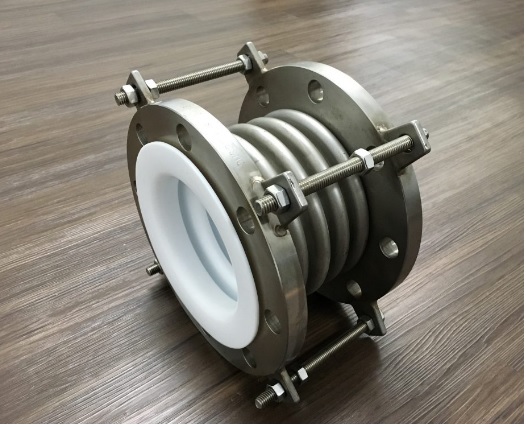
A PTFE (Polytetrafluoroethylene) expansion joint is a specialized component designed to absorb pipe movement, compensate for misalignment, and reduce stress on system components. Known for their corrosion resistance, they are widely used in industries such as chemical processing, pharmaceuticals, and food production. Unlike traditional rubber expansion joints, PTFE joints excel in environments where aggressive chemicals or high temperatures could compromise the integrity of other materials.

We pride ourselves on offering molded PTFE expansion joints that feature a space-saving design and short face-to-face dimensions, making them ideal for compact installations.

Key Advantages of PTFE Expansion Joints

  1. Unmatched Corrosion Resistance: PTFE’s non-reactive nature makes it resistant to even the most aggressive chemicals, including acids, solvents, and alkalis. This makes it a preferred material for systems where traditional rubber expansion joints would fail.
  2. Flexibility Under High Pressure and Temperature: Industrial systems often operate under extreme conditions. Zepco’s PTFE expansion joints are designed to withstand high pressure and a wide range of temperatures, ensuring long-lasting performance even in the harshest environments.
  3. Space-Saving Design: The short face-to-face dimensions of PTFE expansion joints make them perfect for installations where space is at a premium. This feature allows engineers to integrate them seamlessly into existing systems without requiring significant modifications.
  4. Ability to Absorb Pipe Movement: PTFE expansion joints effectively absorb pipe movements, such as axial, lateral, and angular displacement, reducing the risk of stress-related failures in your piping system.

Common Applications of PTFE Expansion Joints

PTFE expansion joints are incredibly versatile and can be found in:

  • Chemical Processing Plants: Handling corrosive chemicals and ensuring system longevity.
  • Pharmaceutical Industries: Meeting stringent hygiene and safety standards.
  • Food and Beverage Manufacturing: Maintaining purity while resisting chemical cleaning agents.
  • Power Plants: Withstanding high-pressure steam and fluctuating temperatures.

PTFE vs. Other Expansion Joint Materials

When comparing PTFE to other materials like rubber, stainless steel, or fabric:

With our expertise, we ensure you get the right material for your system’s unique requirements.

Choosing the Right PTFE Expansion Joint for Your System

Selecting the right PTFE expansion joint involves understanding your system’s specific needs:

  • Pressure and Temperature Ratings: Ensure the joint can handle the operational conditions.
  • Chemical Compatibility: Verify the material’s resistance to the chemicals in your system.
  • Dimensions and Design: Opt for joints with short face-to-face dimensions for tight spaces.

Our team helps you navigate these factors to select the ideal solution.

Installation and Maintenance Best Practices

Proper installation and maintenance are key to maximizing the lifespan of your PTFE expansion joints:

  1. Follow Manufacturer Guidelines: Always adhere to the specific instructions provided by Zepco for installation.
  2. Check Alignment: Ensure the pipes are properly aligned to avoid excessive stress on the joint.
  3. Regular Inspections: Monitor the joint for wear or damage, especially in high-pressure environments.

By prioritizing these best practices, you can enhance system efficiency and safety while minimizing downtime.

Advancements in PTFE Expansion Joint Technology

As a leader in industrial solutions, we continuously innovate to meet the evolving needs of our clients. Recent advancements in molded PTFE expansion joints include improved durability, enhanced flexibility, and superior chemical resistance. These innovations allow our joints to perform exceptionally in even the most challenging environments, making them the go-to choice for engineers and facility managers worldwide.

Why Zepco Is Your Trusted Partner for PTFE Expansion Joints

With decades of experience, we have established itself as a trusted provider of industrial expansion solutions. Our PTFE expansion joints are designed with precision and crafted from high-quality materials to ensure durability, performance, and reliability. Whether you’re looking for a space-saving design, corrosion resistance, or the ability to handle high pressure, Zepco has the expertise and products to meet your needs.

The Takeaway

If you’re searching for a solution that combines flexibility, corrosion resistance, and the ability to absorb pipe movement, look no further than our PTFE expansion joint offerings. With our expert guidance, you can confidently choose the right joint to optimize your system’s efficiency and longevity.

By choosing us, you’re investing in a product and in reliability, innovation, and peace of mind. Contact us today to learn more about our PTFE expansion joint solutions and how they can transform your industrial systems.


Choosing the Right PTFE Expansion Joint for Your Industrial Needs

Imagine a world where industrial piping systems don’t crack under pressure. A world where aggressive chemicals, extreme temperatures, and relentless mechanical stress meet their match. That’s the world PTFE expansion joints make possible. If you’re here, chances are you’re searching for the best PTFE expansion joint for your operation, and you’ve landed in the right place.

Whether you’re managing a chemical plant, a pharmaceutical operation, or a high-purity system, these small yet mighty components play a role in keeping everything flowing smoothly. 

Let us look into what makes them indispensable, how to pick the right one, and why choosing carefully could be the best decision you make for your piping system.

What Is a PTFE Expansion Joint?

A PTFE expansion joint is a fancy connector, a lifesaver for piping systems dealing with thermal expansion, contraction, and vibration. PTFE, short for polytetrafluoroethylene, is a high-performance plastic known for being nearly impervious to chemicals and able to withstand extreme temperatures. It is the super suit for your piping system that offers unparalleled protection and flexibility.

These joints absorb movement and prevent catastrophic failures. When pipes expand due to heat or contract during cooling, the resulting stress can lead to cracks, leaks, or even full-blown system shutdowns. A PTFE expansion joint handles the pressure while maintaining an airtight seal.

Why PTFE Stands Out

You’ve got options when it comes to expansion joints, but PTFE is in a class of its own. Sure, metal bellows and rubber expansion joints have their merits, but here’s why PTFE is the MVP:

  • PTFE laughs in the face of aggressive chemicals. Acids, solvents, alkalis? Bring it on. This makes it ideal for industries like chemical processing and pharmaceuticals, where purity and resistance are non-negotiable.
  • From arctic chills to blazing heat, PTFE can handle a wide temperature range without breaking a sweat.
  • Unlike metal, which can fatigue, or rubber, which can degrade, PTFE offers the perfect balance of flexibility and longevity.
  • Forget rust and rot; PTFE is immune to it all.

A Playbook for Picking Your PTFE Expansion Joint

Choosing the right PTFE expansion joint isn’t rocket science but it does require careful thought. Here’s your step-by-step guide:

1. Know Your Chemicals

Not all PTFE formulations are identical. While PTFE is resistant to most substances, double-check compatibility with the specific chemicals in your system. If your process involves hydrofluoric acid or certain high-fluoride compounds, consult an expert.

2. Temperature and Pressure: Get It Right

Every PTFE joint has operational limits. Know the maximum and minimum temperatures and pressures your system will encounter. Choose a joint rated to exceed those conditions, because safety margins are non-negotiable in industrial settings.

3. Movement Matters

Does your piping system need to handle axial (straight-line), lateral (side-to-side), or angular (rotational) movements? Different joints are designed for specific motions. Mismatching here can be costly for both repairs and downtime.

4. Size It Up

Measure twice, install once. Ensure your joint’s dimensions match the pipe diameter and flange specifications. Even a minor mismatch can lead to inefficiency or system failure.

5. Longevity vs. Cost

PTFE expansion joints aren’t the cheapest option, but they’re often the most cost-effective over time. Their durability and reliability mean fewer replacements and less downtime, a clear win for your bottom line.

Why Expansion Joints Are Game-Changers

Here’s the thing about expansion joints: they’re convenient, safe, efficient, and have longevity.

  • By absorbing thermal stress and vibration, PTFE expansion joints reduce the risk of leaks and catastrophic failures.
  • Properly installed joints minimize energy loss, keeping systems running at peak performance.
  • With fewer stress points, you’ll see fewer repairs and replacements. Think of it as an insurance policy for your piping system.

The Zepco Difference

Zepco’s got your back. With decades of expertise, industry-grade certifications, and a commitment to innovation, we’re your provider and partner in your success. 

Our PTFE expansion joints are designed to outlast and outperform, tailored to meet the specific demands of your industry. Need something custom? We’ve got you covered.

Ready to Take the Next Step?

Your piping system deserves the best, and we’re here to deliver. Don’t wait for cracks, leaks, or costly downtime to force your hand. 

Contact Zepco today and let our experts guide you to the perfect PTFE expansion joint solution. When it comes to industrial success, every detail counts, and this one could make all the difference.


PTFE Expansion Joints for Seamless Industrial Integration

When it comes to industrial system efficiency, PTFE expansion joints stand as the cornerstone of reliable operations.

These essential components play a pivotal role in maintaining system integrity while accommodating thermal movement, vibration, and misalignment across diverse industrial applications.

The Evolution of Industrial Expansion Solutions

Modern industrial facilities face increasingly complex challenges, from aggressive chemical environments to extreme temperature fluctuations.

PTFE expansion joints have revolutionized how we approach these challenges, offering unparalleled chemical resistance and flexibility that traditional materials simply cannot match.

Understanding PTFE’s Superior Properties

PTFE’s remarkable characteristics make it the material of choice for demanding industrial applications.

Its exceptional chemical resistance allows it to handle corrosive media that would deteriorate other materials.

The non-stick properties prevent material buildup, ensuring consistent performance and reduced maintenance requirements.

Temperature tolerance ranging from -350°F to +500°F makes PTFE expansion joints versatile enough for various process conditions.

Integration Strategies for Maximum Performance

Successful implementation of PTFE expansion joints requires careful consideration of several factors.

System designers must evaluate operating conditions, including pressure requirements, temperature fluctuations, and chemical exposure.

Proper sizing and configuration are crucial for optimal performance.

Engineers must account for both axial and lateral movement while ensuring the expansion joint can handle the system’s specific demands.

Installation Best Practices

Professional installation is paramount for achieving maximum service life from PTFE expansion joints.

Proper alignment during installation prevents uneven stress distribution and ensures optimal performance.

Regular inspection protocols should be established to monitor joint conditions and prevent potential issues before they escalate.

Maximizing ROI Through Strategic Implementation

The initial investment in high-quality PTFE expansion joints pays dividends through:

  • Extended service life
  • Reduced maintenance requirements
  • Improved system reliability
  • Lower operational costs

Custom Solutions for Specific Applications

Every industrial system has unique requirements, and one-size-fits-all solutions rarely provide optimal results.

Working with experienced manufacturers allows for customized PTFE expansion joint solutions that perfectly match specific application needs.

This tailored approach ensures better performance and longer service life while minimizing potential compatibility issues.

Future-Proofing Industrial Systems

As industrial processes continue to evolve, the demands placed on system components increase.

PTFE expansion joints provide the flexibility needed to adapt to changing requirements while maintaining system integrity.

Their superior performance characteristics make them an ideal choice for facilities looking to future-proof their operations.

Quality Assurance and Certification

Reputable manufacturers maintain strict quality control processes throughout fabrication.

Each PTFE expansion joint undergoes rigorous testing to ensure it meets or exceeds industry standards.

Proper certification documentation provides peace of mind and regulatory compliance.

Take Your System Performance to the Next Level

Don’t let subpar expansion joints compromise your industrial system’s efficiency.

Contact Zepco’s expert team today to discuss how our premium PTFE expansion joints can enhance your operation’s performance and reliability.

Our experienced engineers will work with you to determine the optimal solution for your specific needs, ensuring seamless integration and maximum system efficiency.

Let’s elevate your industrial processes together with superior PTFE expansion joints that deliver unmatched performance and durability.

Call +1-864-428-8243  or visit our website to schedule your consultation today and learn more about our comprehensive range of expansion joint solutions.


Long-Term Performance: How PTFE Joints Reduce Maintenance Costs

In industrial applications where high temperatures, aggressive chemicals, and intense pressures are at play, the material you choose for expansion joints can make a significant difference in maintenance demands and overall costs. 

PTFE expansion joints have become a trusted choice across industries for their long-term performance and ability to withstand extreme conditions with minimal upkeep. 

This guide delves into how PTFE expansion joints offer a reliable, low-maintenance solution, and how you can maximize their lifespan for cost savings over time.

Why PTFE Expansion Joints Are Ideal for Challenging Environments

Polytetrafluoroethylene (PTFE) is a synthetic fluoropolymer widely recognized for its durability, resistance to chemicals, and ability to handle high temperatures. PTFE joints excel in corrosive and high-temperature applications, making them particularly suitable for industries such as chemical processing, oil and gas, and power generation.

Key Benefits of PTFE Expansion Joints:

By integrating PTFE joints into your system, you not only reduce the risk of wear and tear but also minimize the need for costly repairs, translating to substantial savings in the long run.

How PTFE Joints Reduce Maintenance and Extend System Longevity

Using PTFE expansion joints can significantly cut down on maintenance demands. Their natural resistance to chemical reactions, coupled with durability in extreme environments, means that these joints hold up well over time. Here’s how this translates to operational savings and longevity:

1. Minimized Replacement Frequency

Traditional expansion joints, especially those made from metals, are prone to rust and corrosion, leading to a higher frequency of replacements. PTFE joints, however, resist most corrosive elements, meaning they can maintain integrity for a much longer period.

2. Lower Inspection and Maintenance Demands

PTFE’s robust properties reduce the need for constant monitoring. This resilience is a clear benefit for industries with long operational cycles, where frequent maintenance halts are impractical.

3. Superior Flexibility and Stress Absorption

PTFE expansion joints are designed to absorb thermal expansion and vibration, reducing the impact on other components in the system. This stress absorption helps prevent system fatigue and extends the life of the entire assembly.

Maximizing the Cost Efficiency of PTFE Expansion Joints

To truly capitalize on the cost benefits of PTFE expansion joints, a few strategic steps can ensure you’re getting the most value out of this resilient material.

1. Choose the Right Joint for Your Application

PTFE joints are available in various configurations, from simple single-bellows designs to more complex multi-layered structures. Choosing the right design for your application is essential to avoiding premature wear and tear.

2. Install with Precision

Even the best materials need proper installation to deliver peak performance. Misalignment or improper securing of joints can lead to leaks, which negate the benefits of choosing a high-performance material like PTFE.

  • Tip: Have Zepco’s trained technicians handle the installation for precise alignment and secure fitting, minimizing the risk of leaks and ensuring the joint performs as expected under high stress.

3. Follow a Predictive Maintenance Schedule

PTFE joints are designed to be low-maintenance, but implementing a predictive maintenance schedule can catch minor issues before they become major problems. Predictive maintenance monitors the system’s operational conditions to gauge when a component might require servicing, minimizing unscheduled downtimes.

  • Tip: Leverage any digital monitoring tools that track system temperature and pressure to keep tabs on the joint’s performance. Zepco offers guidance on setting up a maintenance schedule tailored to your system, ensuring long-lasting joint performance.

Zepco’s PTFE Solutions: Designed for Longevity and Performance

When it comes to PTFE expansion joints, Zepco delivers top-quality options that promise durability and efficiency. Our PTFE joints are engineered to withstand even the most challenging conditions, offering an ideal solution for facilities that demand reliability and cost-effectiveness.

At Zepco, we provide:

  • Custom Solutions: From unique joint configurations to materials tailored to specific industrial conditions, Zepco ensures that you get the exact PTFE joint that meets your requirements.
  • Expert Installation Services: Proper installation is essential for optimal performance, and our technicians are equipped to handle complex setups with precision.
  • Ongoing Support: Zepco’s team is here for every step, from initial consultation to installation and maintenance advice. We’re dedicated to helping you maximize the longevity of your expansion joints.

Invest in Long-Term Performance with PTFE Expansion Joints from Zepco

Choosing PTFE expansion joints is a strategic investment in your system’s durability and cost efficiency. Their low-maintenance nature, combined with Zepco’s support, ensures a high-performing, resilient solution that withstands demanding conditions with minimal upkeep.

Ready to boost your system’s longevity?

Let Zepco help you select, install, and maintain PTFE expansion joints that deliver on both performance and savings.

Reach out today to learn more about our customizable PTFE solutions, and take the first step toward a smoother, more cost-effective operation.


PTFE Joints: A Seal for the Ages in High-Stakes Industries

teflon expansion joints

When it comes to sealing reliability in high-stakes industrial environments, few materials can match the performance of PTFE expansion joints

Polytetrafluoroethylene (PTFE), commonly known as Teflon, has become the go-to material for industries that demand precision, durability, and resistance to harsh chemicals and extreme temperatures. 

Zepco’s PTFE expansion joints offer an unmatched combination of flexibility and strength, ensuring that industrial systems remain operational even under the most challenging conditions.

As industries face evolving operational demands, PTFE expansion joints continue to set the standard for long-lasting, maintenance-free sealing solutions.

The Unique Qualities of PTFE Expansion Joints

So, what makes PTFE expansion joints irreplaceable in high-stakes environments? 

It all comes down to PTFE’s remarkable properties. Unlike traditional materials, PTFE is highly resistant to corrosion, making it ideal for industries dealing with aggressive chemicals, extreme temperatures, or high-pressure environments. 

Whether you’re operating in the oil and gas sector, chemical processing, or power generation, PTFE joints are designed to handle the toughest jobs without breaking down or losing efficiency.

Corrosion Resistance

PTFE is widely recognized for its exceptional resistance to a wide range of chemicals, including acids, bases, and solvents. 

This makes PTFE expansion joints invaluable in industries that work with corrosive materials, ensuring that the system remains sealed even in the most hostile environments. 

While other materials may corrode or degrade over time, PTFE expansion joints remain durable and dependable.

Temperature and Pressure Tolerance

In high-stakes industries, systems often operate under extreme conditions, with temperatures soaring to high levels or dropping to sub-zero degrees.

PTFE expansion joints are engineered to withstand these temperature extremes, offering the same reliable performance in hot, cold, and fluctuating environments. 

This flexibility ensures that PTFE expansion joints can adapt to a variety of operational needs without compromising on performance.

Additionally, PTFE has an incredibly high melting point, which means it can handle significant pressure without losing its integrity. 

Industries like oil and gas, which require constant pressure management, benefit greatly from PTFE’s durability.

Low Friction and Flexibility

One of PTFE’s lesser-known but equally important characteristics is its low friction coefficient. 

This means it reduces wear and tear on the surrounding materials, resulting in longer-lasting systems and fewer maintenance headaches. 

Its flexibility allows for easy installation and smooth operation, even in complex configurations.

Meeting Industrial Demands

Zepco has established itself as a leader in providing high-quality expansion joints that meet the rigorous demands of high-stakes industries. 

Their expertise in fabricating custom solutions ensures that each joint is optimized for your specific operational needs. 

Whether you’re dealing with extreme temperatures, corrosive chemicals, or high-vibration systems, Zepco’s PTFE expansion joints provide unmatched durability and performance.

Maintenance-Free Seals

One of the standout features of Zepco’s PTFE expansion joints is their ability to provide long-term, maintenance-free seals. 

In high-stakes industries, unscheduled maintenance and downtime can lead to costly delays. 

By using PTFE expansion joints, companies can avoid frequent repairs or replacements, ensuring continuous operation without interruption.

Zepco’s PTFE solutions are designed for minimal wear, meaning they offer longer lifespans and better return on investment compared to other materials. 

This makes them a smart choice for industries where reliability and cost-effectiveness are top priorities.

Customization and Future-Proofing

Every industrial system is unique, and that’s why Zepco offers customized PTFE expansion joints that are tailored to the specific needs of your facility. 

Whether you require a unique size, shape, or configuration, Zepco can deliver PTFE expansion joints that perfectly align with your operational requirements. 

This ensures optimal performance and a seamless fit within your system.

As industries evolve and face new challenges, PTFE technology is poised to play a key role in the future of industrial sealing solutions

Zepco is already looking ahead to how PTFE expansion joints can address emerging challenges such as more stringent environmental regulations, higher operational pressures, and more aggressive chemical applications.

The Future of PTFE Expansion Joints

As technology advances and industries grow more complex, the demand for durable, versatile solutions will only increase. 

PTFE expansion joints are already proving their worth in high-stakes applications, but their potential is far from fully realized.

Looking ahead, PTFE expansion joints could play a crucial role in industries facing increased environmental scrutiny. 

Their chemical resistance and durability make them ideal for applications requiring leak-proof systems and environmentally safe solutions. 

Additionally, as industries push the limits of temperature and pressure, PTFE’s exceptional properties will be indispensable in ensuring system integrity.

Innovations in manufacturing and material science may also lead to even more advanced PTFE products, further enhancing their ability to handle extreme conditions while reducing costs and downtime.

Your Partner in Industrial Excellence

At Zepco, we understand the unique challenges faced by high-stakes industries. 

That’s why we’re committed to providing PTFE expansion joints that deliver not just reliability but excellence. 

Our products are manufactured with the highest quality materials and are designed to meet the specific demands of your operation, ensuring your systems remain sealed and operational no matter what.

Whether you’re dealing with aggressive chemicals, extreme temperatures, or high-pressure environments, Zepco’s PTFE expansion joints offer the perfect combination of flexibility and durability.

Sealing the Future with Zepco

In high-stakes industries, a reliable seal is not just important—it’s essential. 

With Zepco’s PTFE expansion joints, you get a solution that offers both immediate and long-term benefits, ensuring your systems stay operational and efficient for years to come.

Need a PTFE expansion joint solution that can withstand the toughest conditions?

Contact us today and let’s ensure your operations remain sealed, safe, and secure.


PTFE Lined Expansion Joint: Corrosion’s Worst Nightmare

In the relentless battle against corrosion, industrial systems require solutions that not only withstand harsh environments but also ensure the longevity and safety of critical equipment. 

Enter the PTFE lined expansion joint, a technological marvel that is turning the tide in corrosive industrial settings. 

As industries continue to evolve, these joints are proving to be an essential component, extending equipment lifespan and enhancing safety in ways previously thought unattainable.

The Science Behind PTFE Lined Expansion Joints

Polytetrafluoroethylene, or PTFE, is a synthetic fluoropolymer of tetrafluoroethylene known for its exceptional chemical resistance, non-stick properties, and high-temperature tolerance. 

When used as a lining material in expansion joints, PTFE acts as a formidable barrier against corrosive substances, ensuring that the underlying materials remain unaffected by the harsh conditions they encounter.

1. Unmatched Chemical Resistance

One of the primary reasons PTFE lined expansion joint technology has gained popularity is its unparalleled resistance to a wide range of chemicals. 

In industries such as chemical processing, oil and gas, and power generation, where exposure to corrosive agents is a daily occurrence, this resistance is crucial.

  • Acids and Alkalis: PTFE’s inert nature makes it impervious to most acids and alkalis, even at elevated temperatures. This resistance means that PTFE lined expansion joints can operate reliably in environments where other materials would rapidly degrade, ensuring continuous and safe operation.
  • Non-Reactive Surface: The non-reactive surface of PTFE also prevents the buildup of materials that could lead to blockages or other operational issues. This characteristic not only enhances the performance of the expansion joints but also contributes to the overall efficiency of the system.

2. Extending Equipment Lifespan

The ability of PTFE lined expansion joints to resist chemical attack translates directly into a longer lifespan for the equipment in which they are installed. 

By providing a robust protective layer, PTFE linings shield the expansion joints and the connected equipment from the corrosive effects of the chemicals they handle.

3. Improving Safety in Corrosive Environments

Safety is a top priority in any industrial setting, especially in environments where corrosive chemicals are present. 

PTFE lined expansion joints play a crucial role in enhancing safety by preventing leaks, reducing the risk of equipment failure, and maintaining the integrity of the system.

  • Leak Prevention: One of the most significant safety benefits of PTFE lined expansion joints is their ability to prevent leaks. In systems where even a small leak could lead to hazardous conditions, the leak-proof nature of PTFE linings provides an essential layer of protection.
  • Maintaining Structural Integrity: By protecting the underlying materials from corrosion, PTFE linings help to maintain the structural integrity of expansion joints and the connected piping or equipment. This protection is vital in preventing catastrophic failures that could result in accidents or environmental contamination.

The Future of PTFE Lining Technology

As industries continue to seek out materials that offer superior performance and durability, the potential applications of PTFE lined expansion joint technology are expanding. 

Researchers and engineers are exploring ways to apply PTFE linings to other industrial components, unlocking new possibilities for corrosion-resistant solutions.

1. Expanding Applications in Corrosive Industries

While PTFE lined expansion joints are already widely used in chemical processing and other corrosive environments, there is growing interest in applying PTFE technology to additional components within these systems.

  • Pipes and Valves: One of the most promising areas of development is the application of PTFE linings to pipes and valves. By extending the benefits of PTFE’s chemical resistance to these components, industries can achieve even greater protection against corrosion and improve the overall reliability of their systems.
  • Storage Tanks and Reactors: Another potential application is in the lining of storage tanks and reactors that handle corrosive chemicals. PTFE linings could provide a long-lasting and low-maintenance solution, reducing the need for frequent repairs and replacements.

2. Innovations in PTFE Material Science

The future of PTFE lined expansion joint technology is also being shaped by ongoing innovations in material science. 

Researchers are exploring ways to enhance the properties of PTFE, making it even more effective in industrial applications.

  • Nano-Enhanced PTFE: One exciting area of research is the development of nano-enhanced PTFE materials. By incorporating nanoparticles into the PTFE matrix, scientists aim to improve the material’s mechanical strength, thermal stability, and resistance to wear and abrasion.
  • Sustainable PTFE Alternatives: As sustainability becomes a greater focus in industrial operations, there is also interest in developing more eco-friendly PTFE alternatives. These materials would retain the essential properties of PTFE while reducing the environmental impact of their production and disposal.

Improve Your Operations with PTFE Lined Expansion Joints

In the ever-evolving industrial landscape, staying ahead of corrosion is critical to maintaining safety, efficiency, and profitability. PTFE lined expansion joint technology offers a powerful solution, providing the chemical resistance and durability needed to protect your equipment and extend its lifespan.

At Zepco, we are dedicated to helping you achieve the highest standards of performance and safety in your operations. 

Our PTFE lined expansion joints are engineered to withstand the harshest environments, giving you the peace of mind that comes with knowing your equipment is protected.

Don’t let corrosion dictate the future of your operations. 

Contact Zepco today to discover how our PTFE lined expansion joint solutions can revolutionize your industrial processes and safeguard your investment for years to come.


PTFE Expansion Joint Perfection: The Key to Leak-Free Operations

In the demanding world of industrial operations, where safety and reliability are paramount, even the smallest leak can lead to costly consequences.

Enter the PTFE expansion joint, a game-changing solution that is redefining what’s possible in leak prevention and industrial safety.

With its unique properties and advanced engineering, the PTFE expansion joint is setting new standards for leak-free operations, ensuring that industries can operate more efficiently and safely than ever before.

The Power of PTFE: A Material Like No Other

Polytetrafluoroethylene, better known as PTFE, is a material renowned for its exceptional chemical resistance, high-temperature tolerance, and low friction properties.

These characteristics make PTFE the ideal choice for expansion joints in environments where traditional materials might falter.

1. Chemical Resistance

One of the standout features of PTFE expansion joints is their ability to resist a wide range of chemicals, from corrosive acids to reactive alkalis.

This chemical resistance is crucial in industries such as chemical processing, where exposure to aggressive substances is a daily occurrence.

Traditional expansion joints made from metals or rubber can degrade quickly in such environments, leading to leaks, failures, and costly repairs.

PTFE expansion joints, however, maintain their integrity even in the harshest chemical conditions, providing a reliable seal that prevents leaks and ensures the safety of the entire system.

2. High-Temperature Tolerance

Industries that operate at extreme temperatures, such as power generation or oil and gas, require materials that can withstand intense heat without compromising performance.

PTFE expansion joints excel in these environments, offering a high-temperature tolerance that few other materials can match.

Whether dealing with superheated steam, hot gases, or other high-temperature substances, PTFE expansion joints maintain their flexibility and sealing capabilities, ensuring that systems remain leak-free and operational under the most challenging conditions.

3. Low Friction and Wear Resistance

Another critical advantage of PTFE expansion joints is their low friction coefficient, which reduces wear and tear on the joints and the surrounding piping system.

This low friction not only extends the lifespan of the expansion joints but also minimizes the risk of leaks caused by abrasion or mechanical stress.

In industries where continuous operation is essential, the durability and reliability of PTFE expansion joints translate into fewer maintenance requirements and reduced downtime, offering significant cost savings over time.

Setting New Standards for Safety and Reliability

The combination of chemical resistance, high-temperature tolerance, and low friction makes PTFE expansion joints a superior choice for industries that prioritize safety and reliability.

These joints are not just a component; they are a crucial part of the system that ensures the safe and efficient operation of industrial processes.

1. Leak Prevention

The primary role of any expansion joint is to accommodate movements in the piping system while maintaining a leak-proof seal.

PTFE expansion joints excel in this role, providing a reliable barrier against leaks even under the most demanding conditions.

By preventing leaks, these joints protect the environment, safeguard workers, and reduce the risk of costly damage to equipment.

2. Enhanced System Reliability

The durability and low maintenance requirements of PTFE expansion joints contribute to the overall reliability of the system.

With fewer leaks, less downtime, and reduced maintenance needs, industries can operate with greater confidence, knowing that their systems are protected by the best available technology.

3. Cost Efficiency

While the initial investment in PTFE expansion joints may be higher than traditional options, the long-term cost benefits are substantial.

Reduced maintenance, fewer replacements, and minimized downtime all contribute to significant cost savings, making PTFE expansion joints a smart investment for industries focused on long-term efficiency and profitability.

The Future of PTFE in Expansion Joint Applications

As industries continue to evolve, the role of PTFE expansion joints in ensuring safe, reliable, and leak-free operations will only grow.

Research and development in PTFE technology are opening up new possibilities for expansion joint applications, from more durable compounds to enhanced performance characteristics.

1. Advanced PTFE Composites

The future of PTFE expansion joints may lie in advanced composites that combine PTFE with other materials to create joints that are even more resistant to extreme conditions.

These composites could offer improved flexibility, greater chemical resistance, and higher temperature tolerance, further enhancing the performance and reliability of expansion joints in critical applications.

2. Smart Expansion Joints

As industries embrace digitalization and smart technologies, PTFE expansion joints could be integrated with sensors and monitoring systems to provide real-time data on their condition and performance.

This could enable predictive maintenance, where potential issues are identified and addressed before they lead to leaks or failures, further improving the safety and efficiency of industrial operations.

Elevate Your Operations with PTFE Expansion Joints

If your industry demands the highest standards of safety, reliability, and leak prevention, it’s time to consider the benefits of PTFE expansion joints.

At Zepco, we specialize in providing advanced industrial safety solutions that are designed to meet the unique needs of your operations.

Contact us today to discover how our PTFE expansion joints can enhance the safety and efficiency of your systems.

Invest in the future of leak-free operations with Zepco.


Exploring the Unique Properties of PTFE Lined Expansion Joints

When engineering components that must withstand the harshest conditions, PTFE-lined expansion joints have become the linchpin in a puzzle of heat, pressure, and corrosion. Existing beneath the surface of numerous industrial setups, PTFE expansion joints offer a preventative layer and flexibility that other materials cannot match.

PTFE Lining: Resistant by Design

Polytetrafluoroethylene (PTFE) is a synthetic polymer legendarily known as “Teflon,” yet its applications go far beyond non-stick cookware. Used for its exceptional chemical resistance, PTFE’s molecular structure creates a highly stable and inert material. When lined within an expansion joint, this translates to the prevention of chemical attacks, dry running, and the buildup of almost any kind of substance.

This singular resistance is a guardian against the pervasive risks of cracking and material fatigue that inferior materials would succumb to under the constant flow of industrial operations. The result is an extended lifespan and, more importantly, uncompromised safety in plant operations and worker environments.

Unrivaled in High Temperatures

Industrial environments can be hot. Very hot. Whether it’s in the heart of a foundry or a process-critical, high-temperature reaction — PTFE’s strength truly shines. Expansion joints shielded with PTFE linings can operate continuously in temperatures up to 260°C (500°F), withstanding the thermal cycling that could wear down less robust materials.

Consider a refinery’s crude distillation unit, where variations in the heat can be extreme. PTFE-lined joints maintain the integrity of the structural fabric over diverse temperatures and therefore the reliability of the entire expansion joint system. The PTFE shield not only ensures that the joint continues to flex and absorb movement but does so without degradation, ensuring plant integrity and operational continuity.

The Lining Process: A Craft of Precision

PTFE-lined expansion joints are not merely assembled, they’re crafted. The process begins with meticulous material selection, followed by precision-engineered molding to create a seamless lining that conforms precisely to the interior contours of the joint. This ensures uniform resistance and a high integrity seal.

The commitment to quality extends beyond production, with extensive quality control measures. These range from visual and dimensional inspections to advanced non-destructive testing techniques. Each joint is handled with the precision deserving of a safeguard in critical operations.

Wide Applications, Endless Benefits

The benefits of PTFE lined expansion joints are as universal as the elements within the universe they protect against. In the chemical processing industry, they prevent leaks that could lead to environmental contamination. In pharmaceutical and food processing, they safeguard products against contamination. Encountered in flue gas desulfurization systems or within heat exchangers – the applications are as diverse as the challenges they meet.

In every scenario, PTFE-lined expansion joints reduce maintenance, extend the lifecycle of components, and notably enhance safety. They are the silent sentinels guaranteeing operational fluidity and integrity.

The Silent Guardians of Industrial Integrity

PTFE-lined expansion joints are not just a fitting component within a diverse range of industries. They are an embodiment of peace of mind, standing as a testament to human ingenuity and technological advancement. For any process of scale or intricacy, the presence of these joints is a first line of defense, assuring operational continuity and safety.

In the fast-paced world of industrial innovation, it is the pioneering spirit of companies like Zepco that drive the development and application of these remarkable components. The next time you step into an industrial environment, take a moment to appreciate the resilience of these unseen elements – the PTFE lined expansion joints that have redefined durability in the 21st century.

If you’re ready to explore the integration of PTFE lined expansion joints within your operation, reach out to Zepco. Their proficiency and dedication to superior quality guarantee that you’re securing the most resilient and reliable solutions available in the market today.


Overcoming Environmental Challenges: The Benefits of Using PTFE Expansion Joints

In the modern industrial landscape, environmental challenges are more pressing than ever before. Industries across the globe strive to find solutions that minimize their environmental impact without compromising efficiency or safety. Amidst these challenges, PTFE expansion joints have emerged as a valuable asset, offering enhanced operational capabilities and significant environmental benefits.

Understanding PTFE Expansion Joints

PTFE (Polytetrafluoroethylene) expansion joints function as flexible connectors within piping systems, compensating for movement, vibrations, and thermal growth to maintain the integrity of the pipelines. Their unique design and material properties give them an edge over traditional joint types in various industrial applications.

There are several types of PTFE expansion joints available in the market, each tailored to specific operational needs. These include:

  • PTFE-lined expansion joints. Known for chemical resistance and non-stick properties.
  • Fluoropolymer expansion joints. These offer exceptional temperature resistance.
  • Multi-arch PTFE expansion joints. Designed for axial, lateral, and angular movements simultaneously.

The Environmental Advantages of PTFE Expansion Joints

The deployment of PTFE expansion joints in industrial settings brings a host of environmental benefits, particularly in the realm of reducing emissions and waste. PTFE is renowned for its resistance to high temperatures and a broad range of aggressive chemicals. This inherent durability ensures that PTFE expansion joints can withstand harsh environmental conditions without degrading. The result is a decrease in the frequency of replacements, thereby reducing the waste produced by discarded parts.

By reducing the need for maintenance and the chance of leaks, PTFE expansion joints contribute to minimizing harmful emissions into the environment. The improved sealing capabilities also ensure that there is less chance of airborne pollutants, such as dust or volatile chemicals, entering the atmosphere from the activity of the joints themselves.

PTFE expansion joints are designed to last, with a life expectancy that outstrips that of many other types of expansion joints. This resilience means fewer resources spent on replacements and less material waste, embodying a more sustainable approach to industrial component management.

Real-World Applications

Several industries have reaped the environmental rewards of PTFE expansion joints. From chemical processing plants to power generation facilities, the implementation of these joints has marked a shift towards greener operations.

In a before-and-after analysis of their deployment, we could observe a reduction in maintenance-related emissions and a notable decrease in the production of joint-related waste. These case studies serve as practical examples of how PTFE expansion joints elevate both environmental and operational standards.

Designing and Manufacturing PTFE Expansion Joints

The making of PTFE expansion joints is a precise process that involves stringent quality checks and often allows for customization to match the unique demands of the industry they serve.

Industries such as wastewater treatment may require PTFE expansion joints with additional acid resistance, whereas those in food processing require joints compliant with other standards. Manufacturers can cater to these needs, ensuring that the joint’s environmental properties are precisely aligned with the operational requirements.

Selecting the Right Type of PTFE Expansion Joint

Selecting the right PTFE expansion joint necessitates evaluating various considerations such as the pressure and temperature of the system, the extent of movement required, and the type of media that will pass through it. It’s crucial to partner with a supplier that can not only deliver high-quality PTFE expansion joints but can also provide guidance on the most suitable product for specific environmental conditions.

Paving the Way for Sustainability

The utilization of PTFE expansion joints presents a compelling narrative of environmental stewardship within the industrial domain. Their resistance to harsh environmental factors, longevity, and positive impact on emissions and waste reduction position them as a frontrunner in the quest for sustainable industrial practices.

For industries seeking to bolster their environmental initiatives, PTFE expansion joints offer a pragmatic and impactful solution. As industries continue to evolve, it is partnerships with innovative companies like Zepco that pave the way for a greener and more efficient future. Get in touch with us today for high-quality products!